Monday, September 21st, Tours Sold out, last entry at 11:45 a.m.
News and updates from the Frank Lloyd Wright Foundation
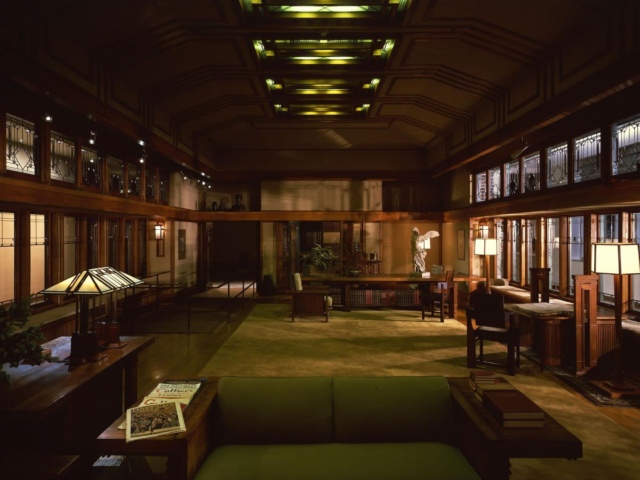
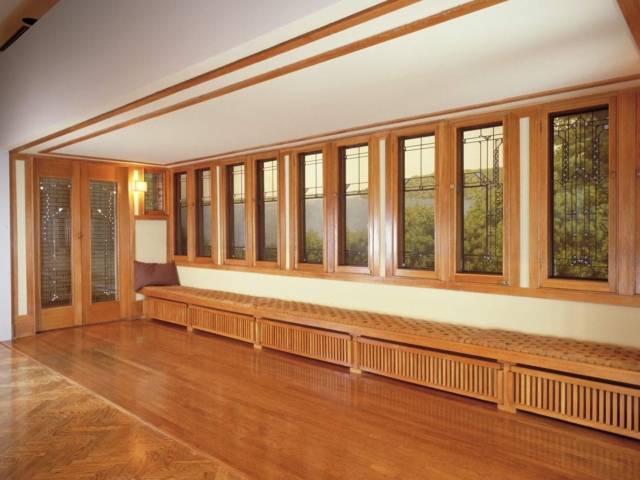
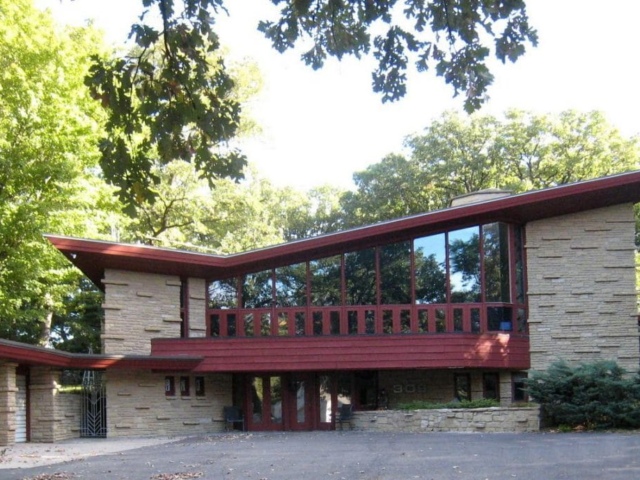
Originally constructed on the shores of Minnesota’s scenic Lake Minnetonka, the extraordinarily large and complex Francis Little House II was among Wright’s richest expressions of the Prairie aesthetic and the last of his Midwestern Prairie houses.
Frank Lloyd Wright Foundation | Feb 4, 2017
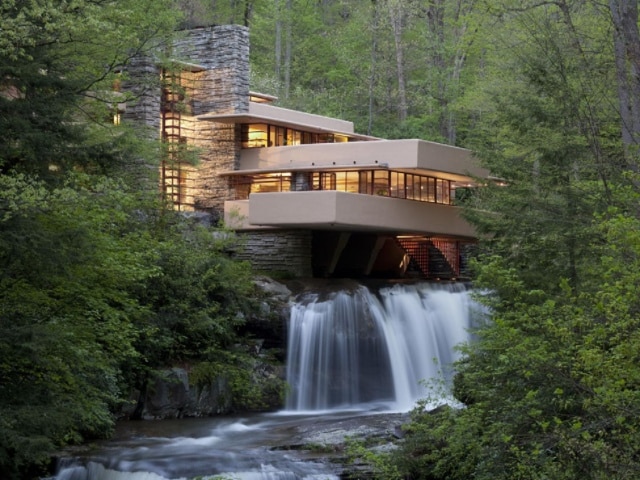
Fallingwater is Wright’s crowning achievement in organic architecture and the American Institute of Architects’ “best all-time work of American architecture.” Its owners, Edgar and Liliane Kaufmann, were a prominent Pittsburgh couple, reputed for their distinctive sense of style and taste.
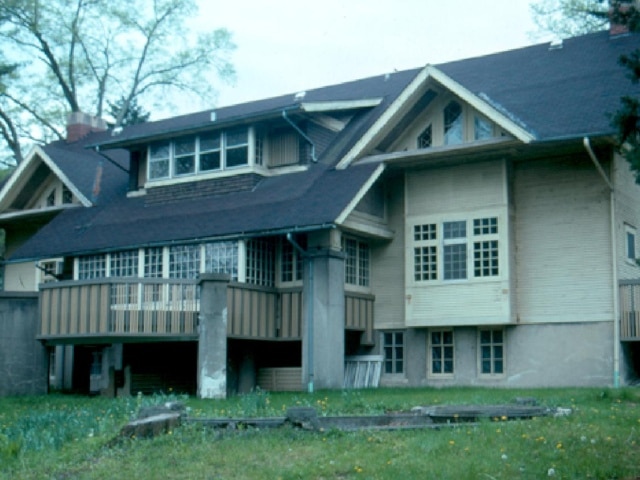
George Fabyan, having inherited his father’s cotton-trading fortune, purchased a mid-1800s farmhouse and 600-acre estate as a country retreat from his Chicago home.
When the Bogks commissioned Wright to build their house, he was preparing to set sail for Japan to oversee construction of the Imperial Hotel.
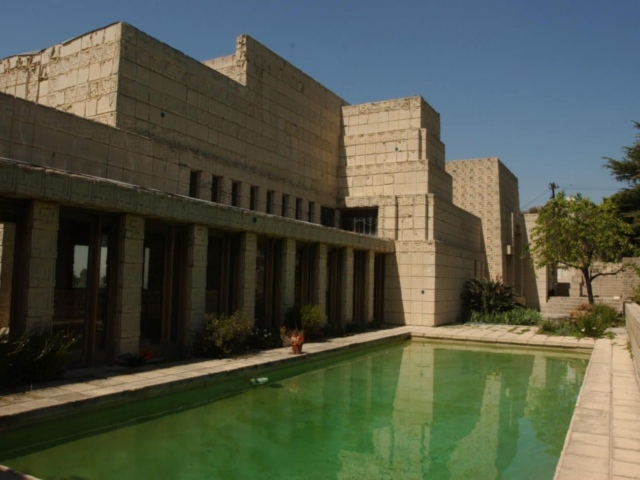
The Ennis House—a veritable Hollywood icon, with over 80 screen appearances—is the last and largest of Wright’s four Los Angeles-area “textile block” houses.
When S. P. “Pearl” Elam and his wife toured Taliesin in 1948, they told Wright’s chief draftsman, John Howe, that they were interested in building a home.
Edward Boynton commissioned Wright to build a total work of art, including the house, landscaping and furniture. The site, which stretched across four city lots, afforded Wright the space to incorporate an expansive garden, tennis court and rectangular reflecting pool, providing the open prairie feel that he sought.
The Duncan House is one of eleven modest Usonian homes that were prefabricated by a Wisconsin builder, Marshall Erdman, and constructed on lots chosen by the buyers.