Monday, September 21st, Tours Sold out, last entry at 11:45 a.m.
News and updates from the Frank Lloyd Wright Foundation
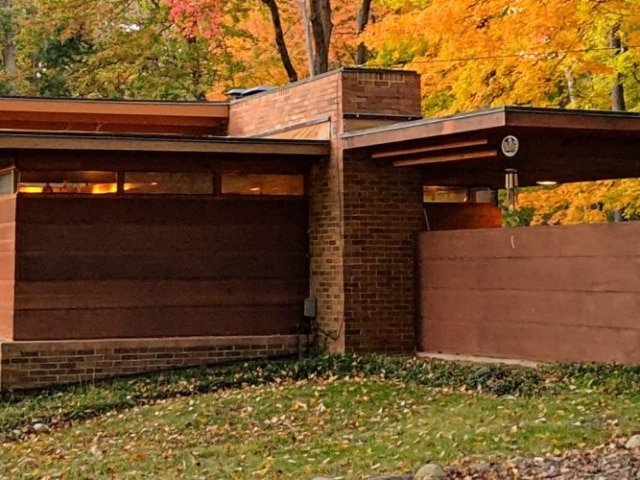
Built in 1940 and listed on the National Register of Historic Places in 1995, Frank Lloyd Wright’s Goetsch–Winckler House is widely considered to be one of the most elegant examples of Wright’s Usonian ideal.
Ross Hubbard | Oct 28, 2024
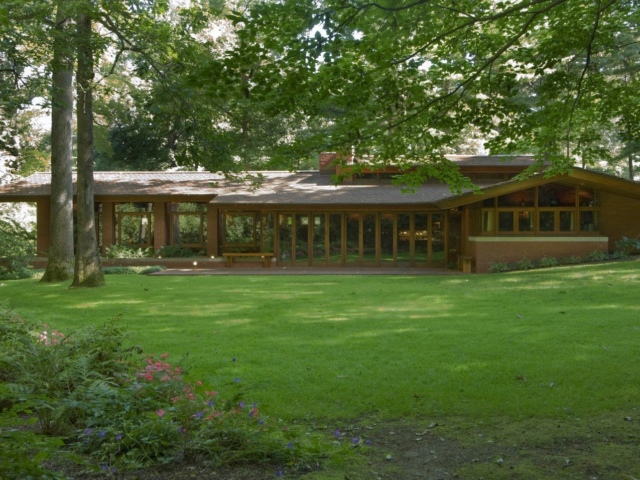
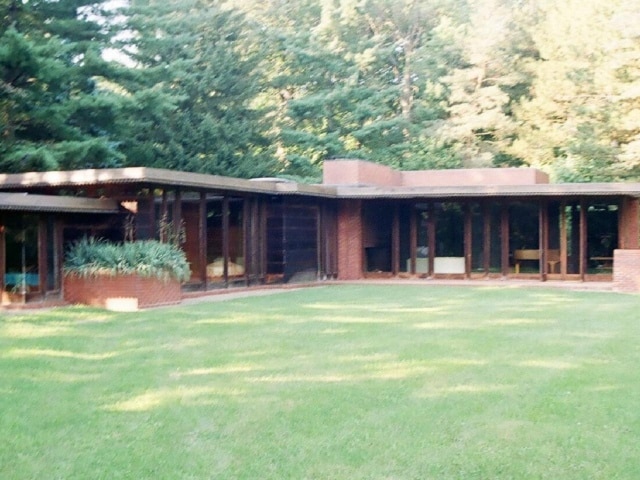
Dissatisfied with the “ultra-conservative” residential architecture of New England, the Zimmermans looked to Wright for their dream of “a house that would be an integrated expression of our personal way of life rather than a coldly efficient building.” Wright answered their wish with “a classic Usonian” for which he designed the house, the gardens, and all the interior details down to the dinnerware.
Frank Lloyd Wright Foundation | Feb 4, 2017
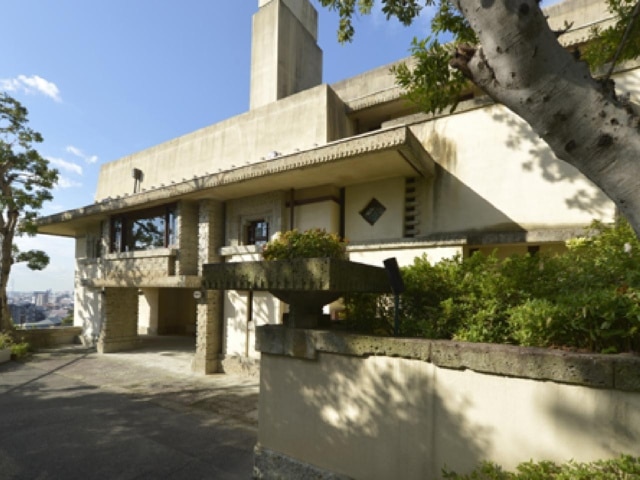
The Yodoko Guest House was designed as a second house for Tazaemon Yamamura, a prominent sake brewer.
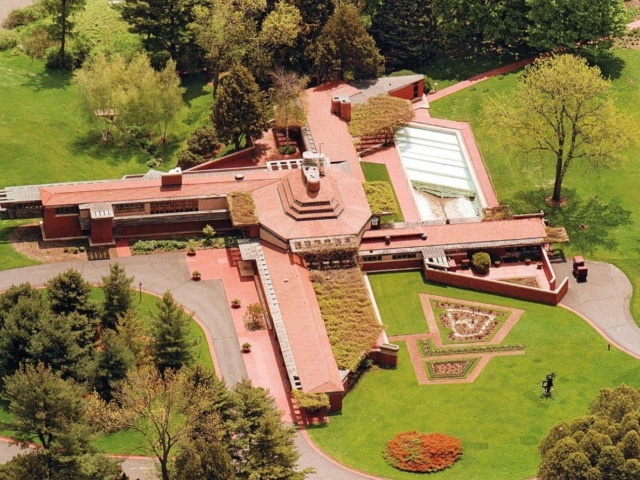
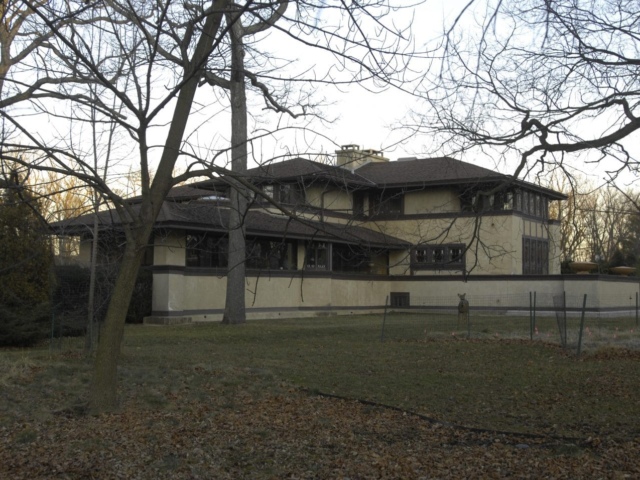
Wingspread, by Wright’s own statement, is the last of the Prairie houses.
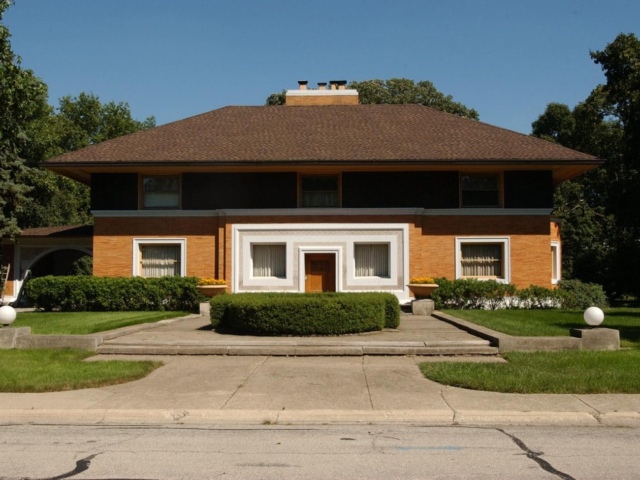
Having met Winslow while working at Adler and Sullivan, a newly independent 26-year old Wright would claim the Winslow House as his first independent commission.
Orpha Westcott, considered one of Springfield’s most prominent and progressive women, is credited with suggesting Wright as the architect for the Westcotts’ new home.
Also known simply as the Frank Lloyd Wright House, the Weltzheimer-Johnson House is the first of nine Usonian homes to be built in Ohio, and the only non-Californian Usonian to use redwood.
The Ward Willits House represents a radical step forward in Wright’s emerging design maturity and is considered his first true Prairie house.
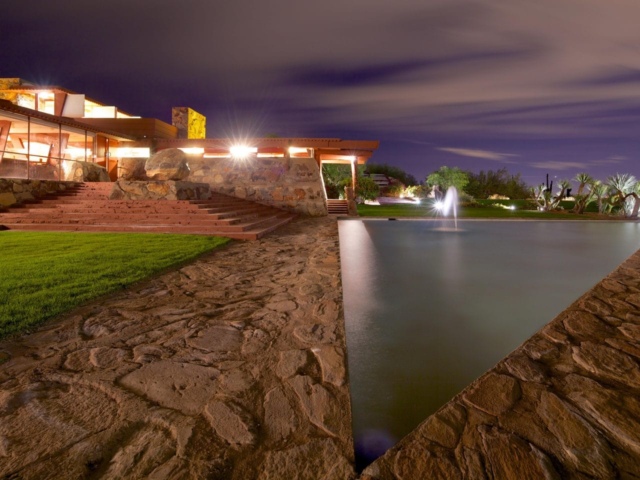
What began in 1937 as an experiment in camping in the Arizonan desert gradually became a lasting testament to Wright’s creative spirit.