Monday, September 21st, Tours Sold out, last entry at 11:45 a.m.
News and updates from the Frank Lloyd Wright Foundation
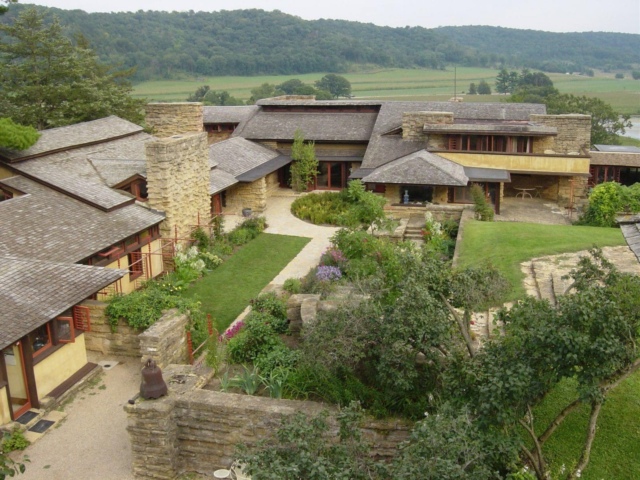
When newspaper headlines about Wright’s affair with Mamah Borthwick Cheney drove him from Chicago in 1911, he returned to the comfort of a place he had spent much of his childhood.
Frank Lloyd Wright Foundation | Feb 4, 2017
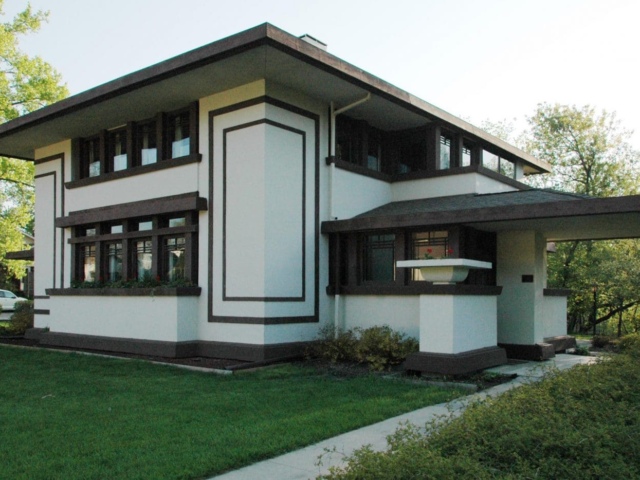
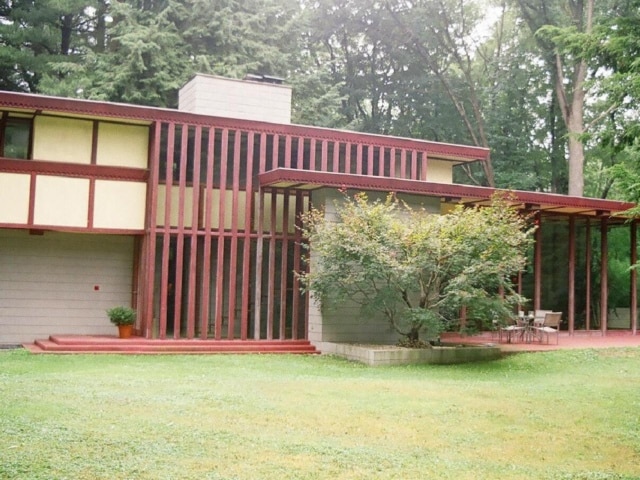
The Stockman House is a variation on a 1907 design published in the Ladies’ Home Journal as “a Fireproof House for $5,000.” The subtle geometry of Wright’s composition is emphasized by its sheltering eaves, window framing, and what he called “back-band trim,” dark wood used to wrap the corners of the main structure.
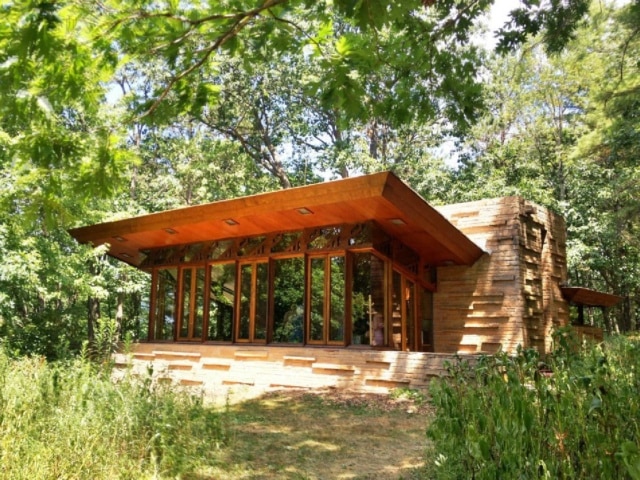
At just 880-square feet, Wright’s smallest residential design manages to boil down Wright’s design philosophy to its essence.
Samuel and Harriet Freeman fell in love with Wright’s architecture as guests at the Hollyhock House.
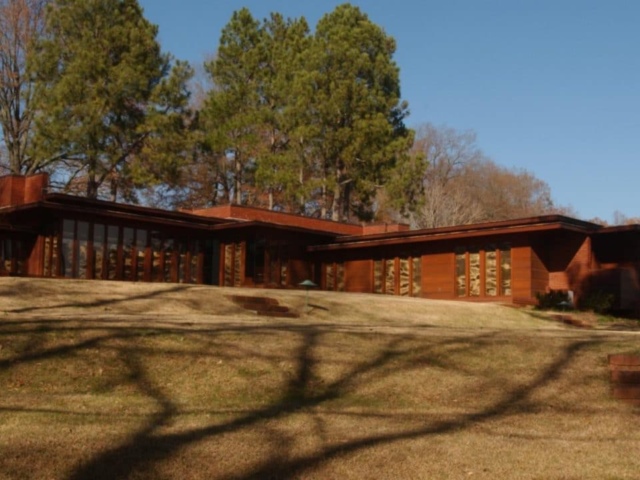
The Rosenbaum House was the first of dozens of Usonian houses that Wright would base on the Jacobs House prototype of 1936.
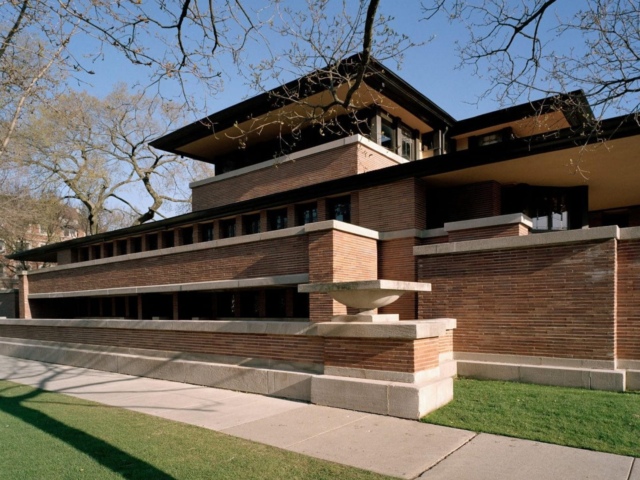
Designed as two large rectangles that seem to slide past one another, the long, horizontal residence that Wright created for 28-year-old Frederick Robie, boldly established a new form of domestic design: the Prairie style.
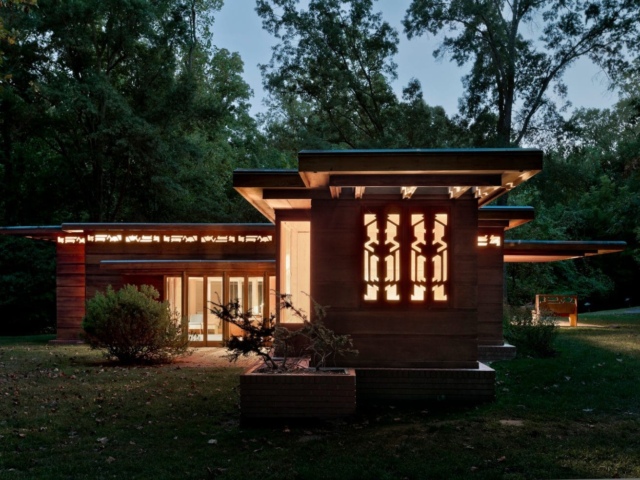
As the only public Frank Lloyd Wright work in the National Capital Region and owned by the National Trust for Historic Preservation, the Usonian-style Pope-Leighey House is nestled within a small wooded grove on the same site as the Trust’s historic Woodlawn mansion in Alexandria, VA.
Wright modified the typical proportions of this three-bedroom Usonian homes for Louis Penfield’s house to accommodate the artist and schoolteacher’s six-foot, eight-inch frame.
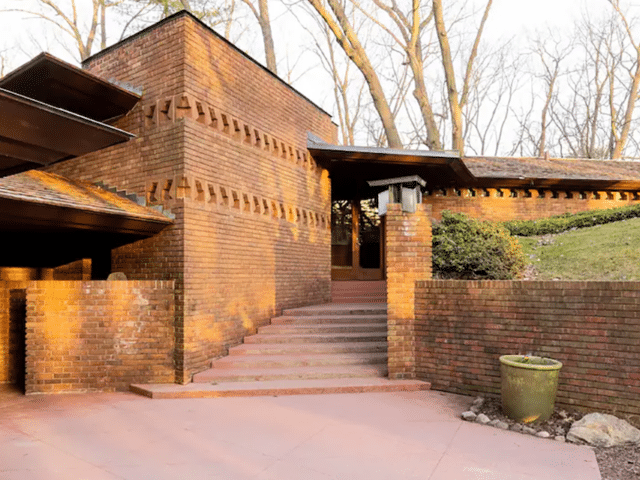
Located near an arboretum on the hillside of a two-acre property, the bold triangular geometry and signature cantilever of this home makes it Ann Arbor’s most architecturally significant residence.