Monday, September 21st, Tours Sold out, last entry at 11:45 a.m.
News and updates from the Frank Lloyd Wright Foundation
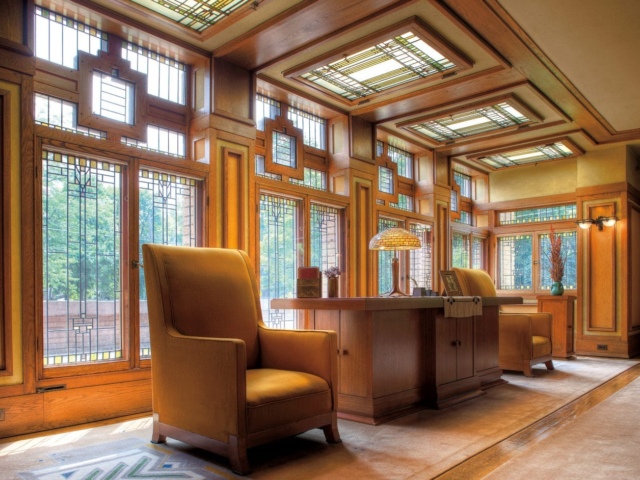
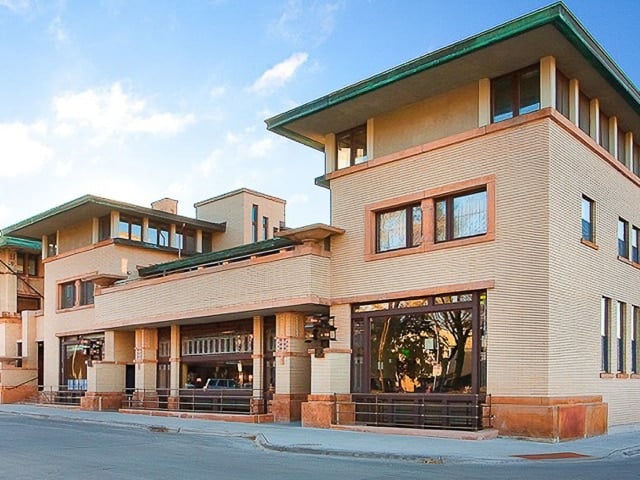
This two-story, T-plan residence is considered “Michigan’s Prairie masterpiece.” The house features pale brick, a hipped roof, lean masonry masses and long broad eaves.
Frank Lloyd Wright Foundation | Feb 4, 2017
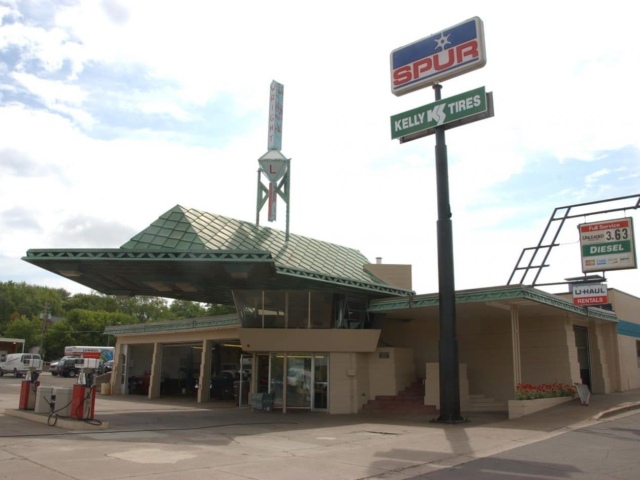
Having designed a gas station as part of his Broadacre City project in the 1930s, Wright approached Best Oil company owner, Ray Lindholm, a former client, with the idea of building a gas station in his hometown of Cloquet, MN.
When Phyllis Laurent read an article about Loren Pope’s love for his Frank Lloyd Wright house in House Beautiful magazine, she knew she had found her architect.
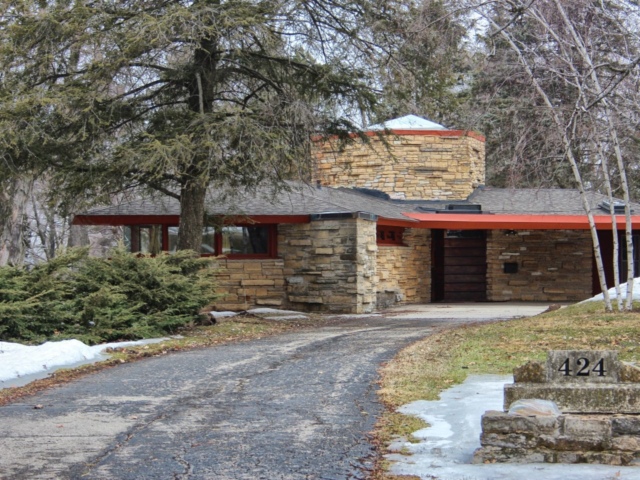
The house was designed by Frank Lloyd Wright in 1951 for Patrick Kinney (a Lancaster, Wisconsin attorney), his wife Margaret, and their three children.
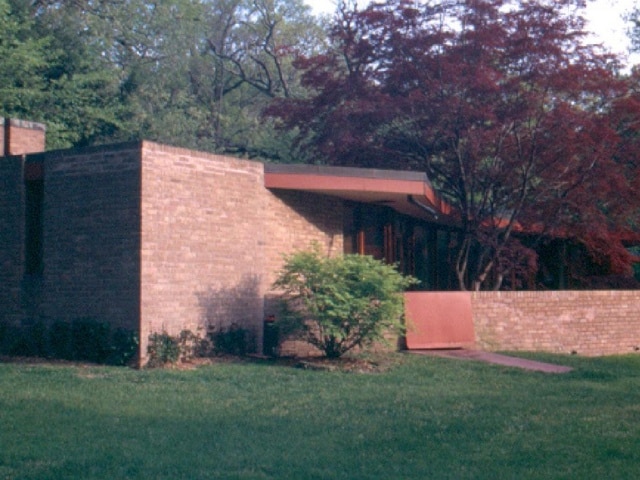
Russell Kraus, after reading a newspaper article on Wright’s affordable homes, commissioned Wright to build what would be one of his last Usonian houses.
This quintessential Usonian house, commissioned by two Purdue University faculty members, sits on a small hill near the Purdue stadium.
When the City National Bank considered expanding into Mason City, James Blythe and J.E.E.
Challenged by Herbert Jacobs to create a decent home for $5,000, Wright’s design for “Jacobs I” (as it came to be known) is widely considered to be Wright’s first Usonian structure.
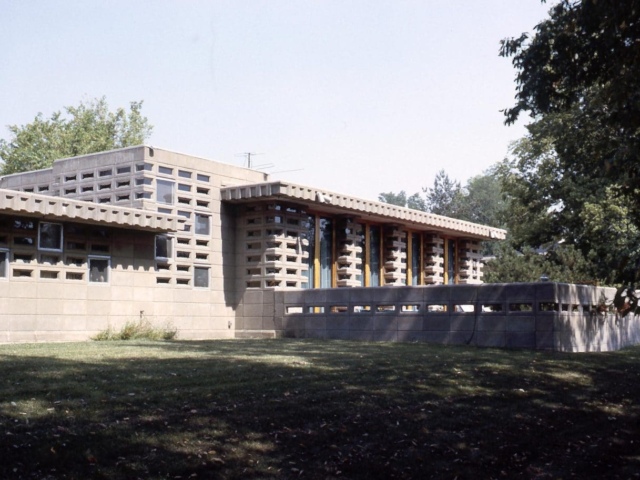
Located on four acres in the northern suburbs of Cincinnati, this exemplary Usonian Automatic home incorporates 11 different patterns of concrete block and over 400 inset windows.