Monday, September 21st, Tours Sold out, last entry at 11:45 a.m.
News and updates from the Frank Lloyd Wright Foundation
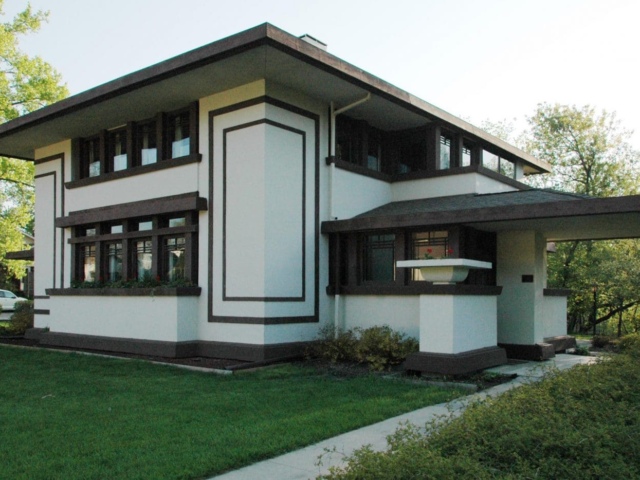
The Stockman House is a variation on a 1907 design published in the Ladies’ Home Journal as “a Fireproof House for $5,000.” The subtle geometry of Wright’s composition is emphasized by its sheltering eaves, window framing, and what he called “back-band trim,” dark wood used to wrap the corners of the main structure.
Frank Lloyd Wright Foundation | Feb 4, 2017
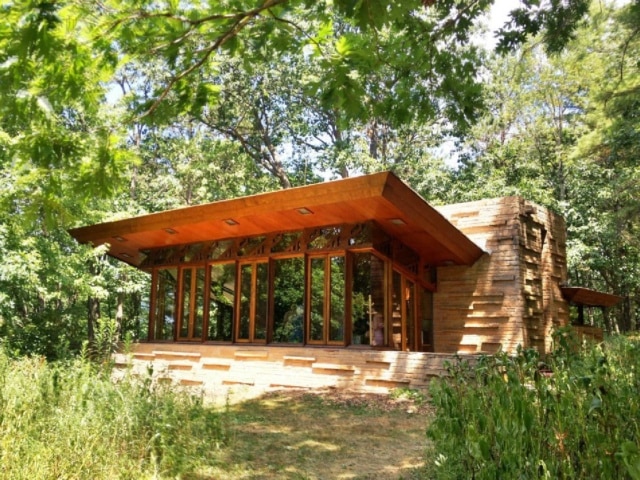
At just 880-square feet, Wright’s smallest residential design manages to boil down Wright’s design philosophy to its essence.
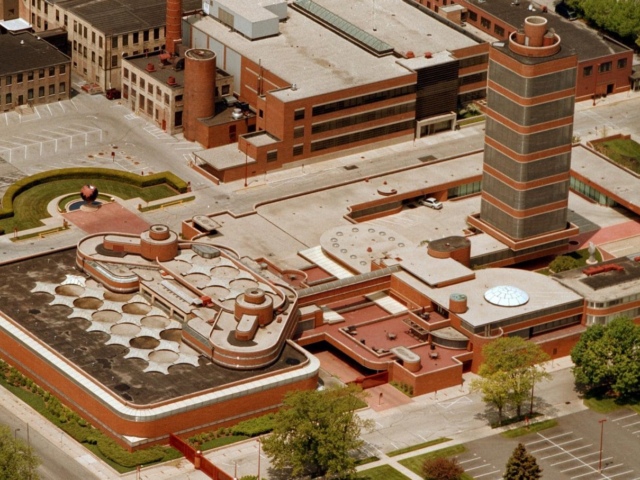
When the Johnson Wax Administration Building was completed Life magazine called it the greatest innovation since the skyscraper: “a truer glimpse of the shape of things to come.” Like Wright’s Larkin Administration building of 1903, Wright desired to build an exhilarating work environment, even suggesting that it be moved out of the bleak industrial zone of Racine for which it was planned.
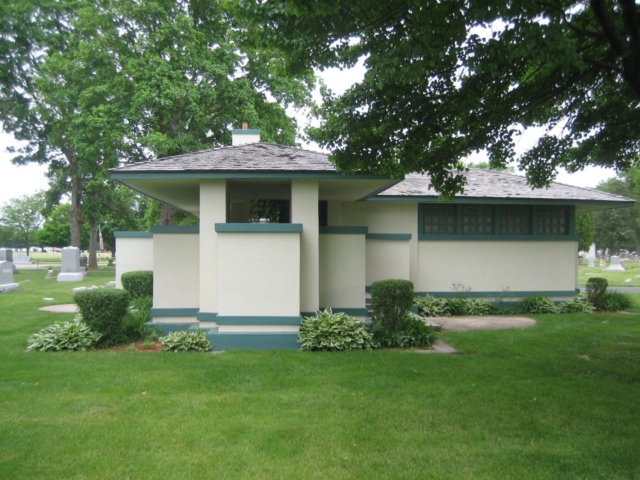
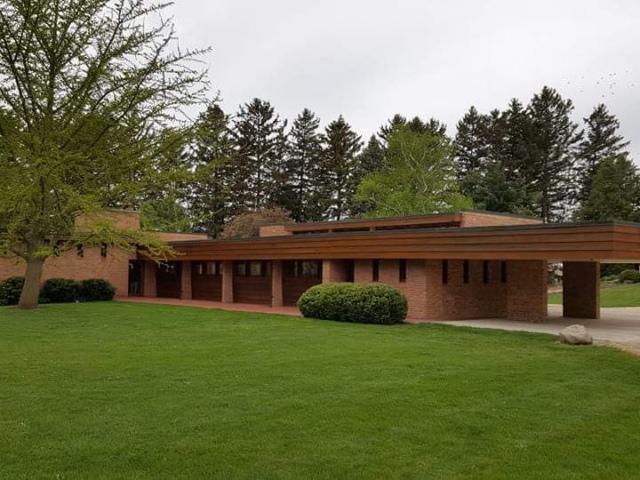
When William Pettit, a beloved physician from northern Iowa, died suddenly, the state mourned, with newspapers suggesting that perhaps only the state governor was more popular.
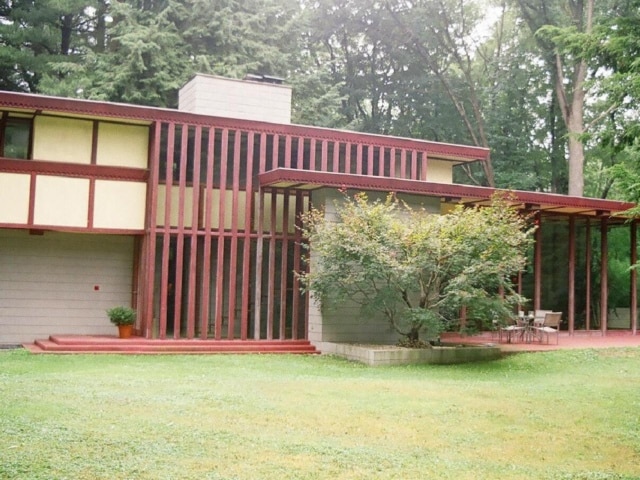
Wright modified the typical proportions of this three-bedroom Usonian homes for Louis Penfield’s house to accommodate the artist and schoolteacher’s six-foot, eight-inch frame.
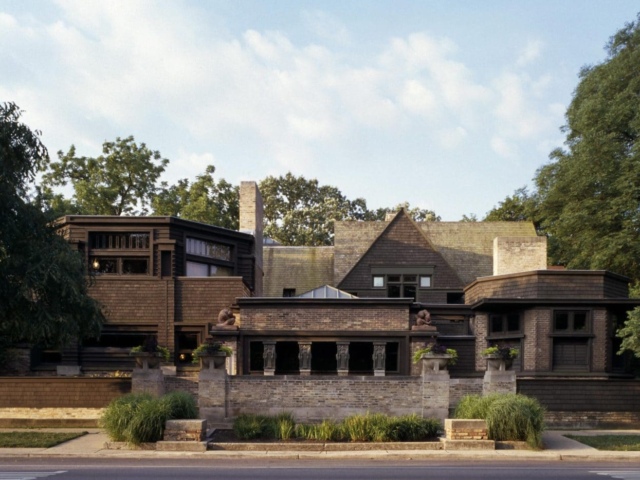
Wright was 22 years old and newly married when he borrowed $5,000 from his employer, Louis Sullivan, to build a home for his future family.
Frank Lloyd Wright designed the Muirhead Farmhouse for Robert and Elizabeth Muirhead in 1950.
The Monona Terrace Community and Convention Center is a testament to the enduring power of Frank Lloyd Wright’s genius.
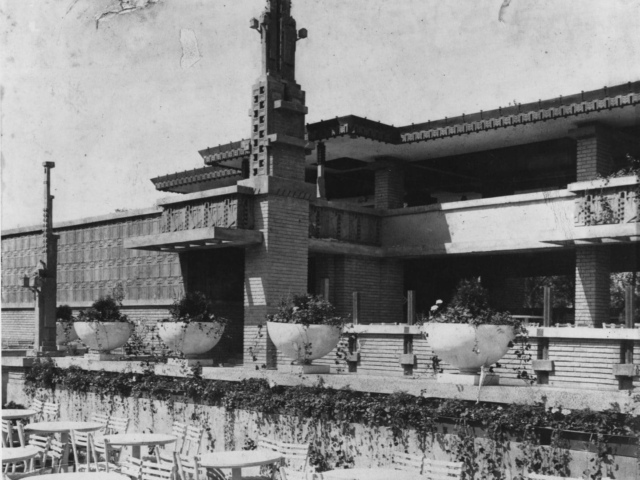
Midway Gardens was designed to be a European–style concert garden with space for year-round dining, drinking, and performances.