Tours for this weekend are selling fast. Don’t miss out, book yours now.
News and updates from the Frank Lloyd Wright Foundation
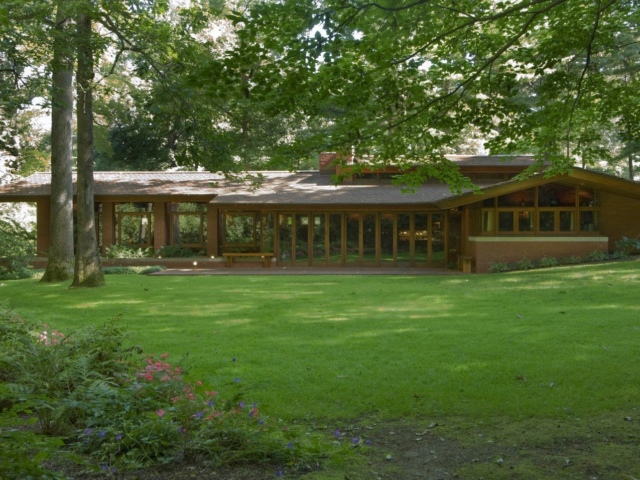
Dissatisfied with the “ultra-conservative” residential architecture of New England, the Zimmermans looked to Wright for their dream of “a house that would be an integrated expression of our personal way of life rather than a coldly efficient building.” Wright answered their wish with “a classic Usonian” for which he designed the house, the gardens, and all the interior details down to the dinnerware.
Frank Lloyd Wright Foundation | Feb 4, 2017
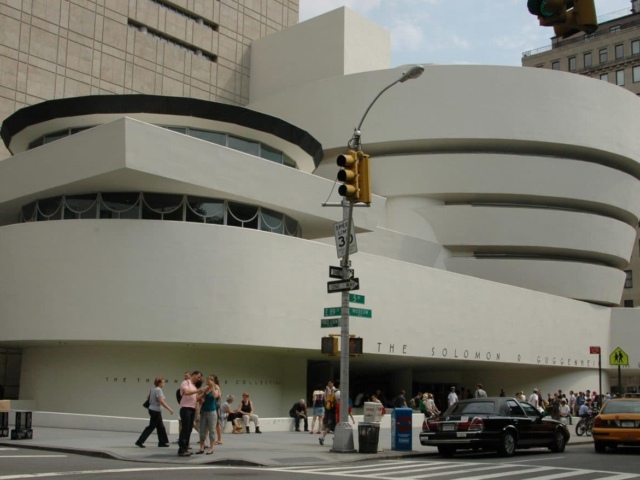
Museum director Hilla von Rebay sought a “temple for the spirit” in which to house Solomon R. Guggenheim’s growing collection of modern art.
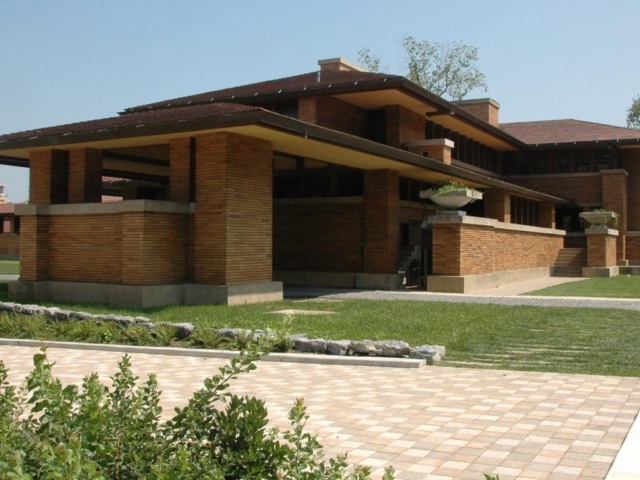
The Martin House is considered among the most important designs of Wright’s career and is the largest and most highly developed Prairie house on the east coast.
A five-story red brick ode to productivity, Wright’s first major public work was widely heralded in Europe.
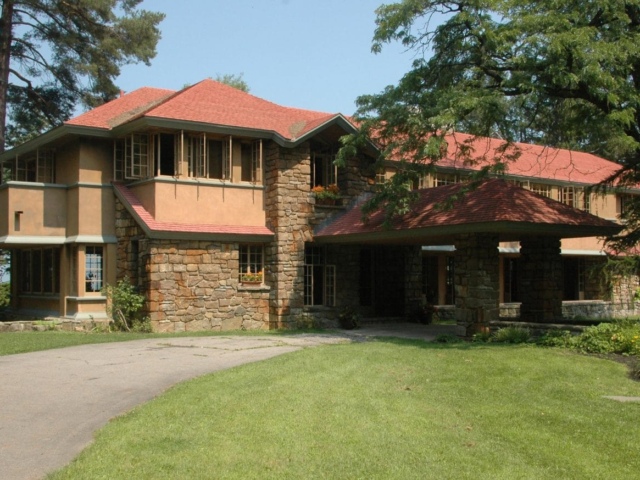
Perched on a cliff high above Lake Erie on the outskirts of Buffalo, NY, Graycliff is one of the most ambitious summer estates Wright ever designed, and has been aptly called “the Jewel on the Lake.” Wright had remained friends with the Martins ever since designing their Buffalo residence some twenty years earlier.
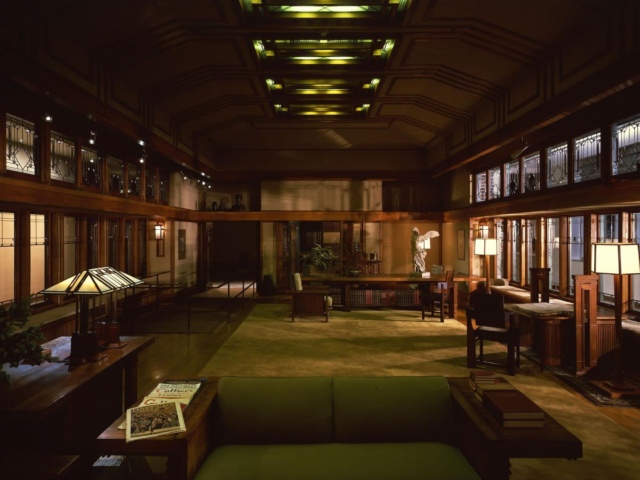
Originally constructed on the shores of Minnesota’s scenic Lake Minnetonka, the extraordinarily large and complex Francis Little House II was among Wright’s richest expressions of the Prairie aesthetic and the last of his Midwestern Prairie houses.
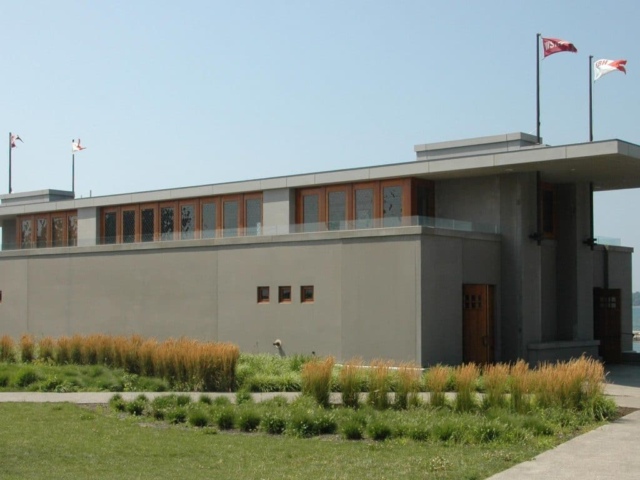
In 1905 Cudworth Beye, whose family was friends with Wright, requested a design for a boathouse to serve the University of Wisconsin crew team.
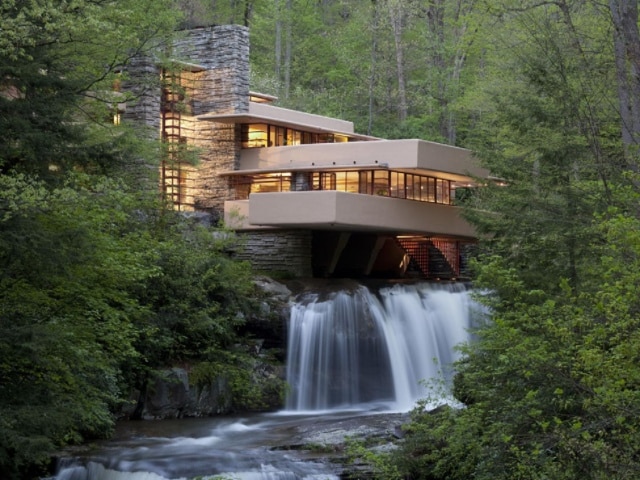
Fallingwater is Wright’s crowning achievement in organic architecture and the American Institute of Architects’ “best all-time work of American architecture.” Its owners, Edgar and Liliane Kaufmann, were a prominent Pittsburgh couple, reputed for their distinctive sense of style and taste.
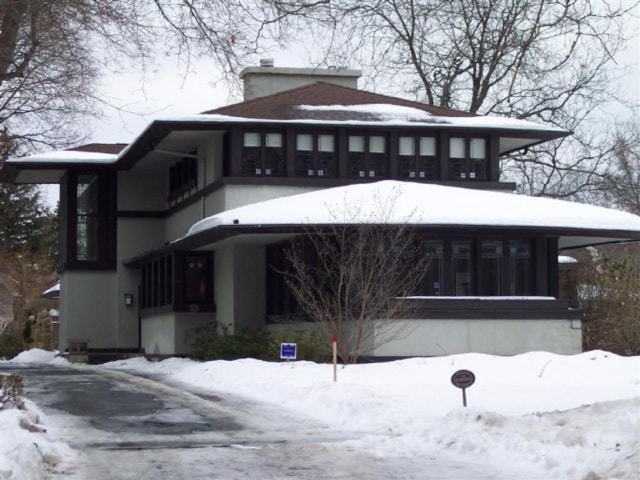
Edward Boynton commissioned Wright to build a total work of art, including the house, landscaping and furniture. The site, which stretched across four city lots, afforded Wright the space to incorporate an expansive garden, tennis court and rectangular reflecting pool, providing the open prairie feel that he sought.