Tours for this weekend are selling fast. Don’t miss out, book yours now.
News and updates from the Frank Lloyd Wright Foundation
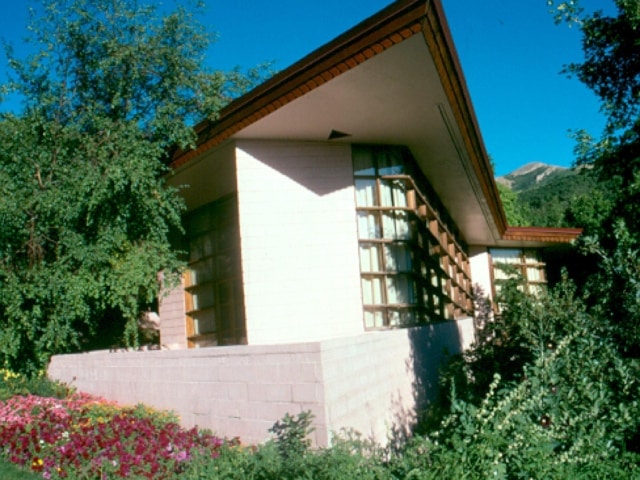
Wright’s only building in Utah, construction on the Usonian-style, concrete block home began in 1959 and was completed by the Taliesin Associated Architects in 1963.
Frank Lloyd Wright Foundation | Feb 4, 2017
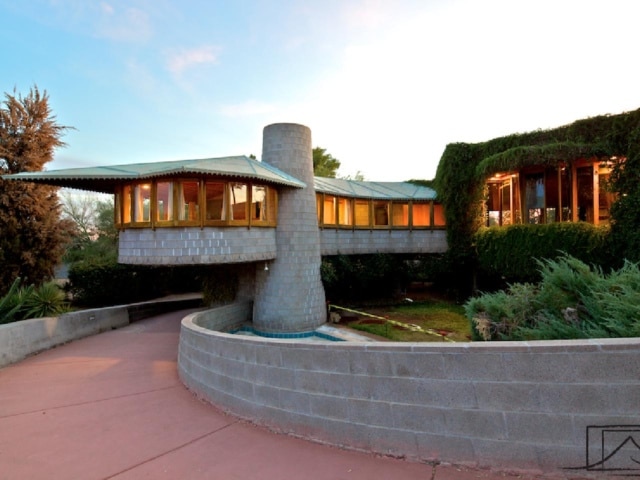
Built for his son David and daughter-in-law Gladys, this Phoenix residence is one of Wright’s most innovative and unusual works of architecture.
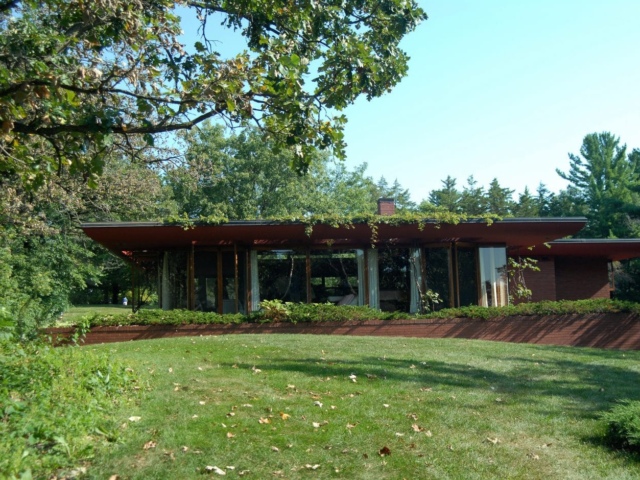
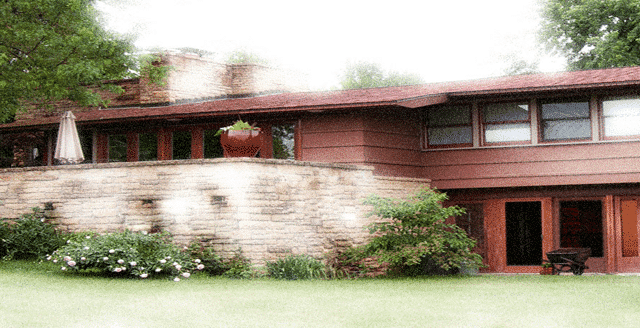
A limestone bluff above Iowa’s Wapsipinicon River provides a stunning setting for the complex of buildings that served as a summer retreat for Lowell Walter, a Des Moines businessman, and his wife.
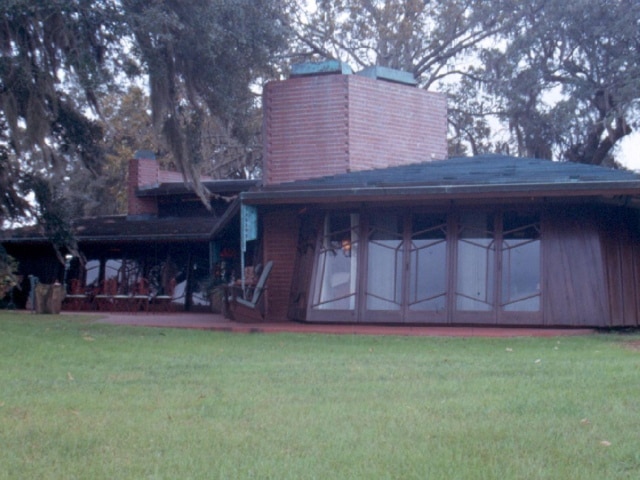
When Michigan industrialist C. Leigh Stevens challenged Wright to create a plantation that would reflect contemporary use and economics while remaining true to its southern root, Wright designed Auldbrass.
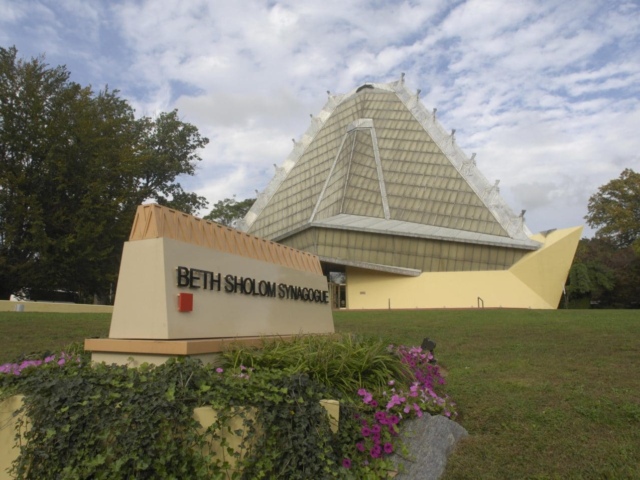
Each element of Wright’s only synagogue was carefully designed with a contemporary approach to Jewish faith, history and religious practice.
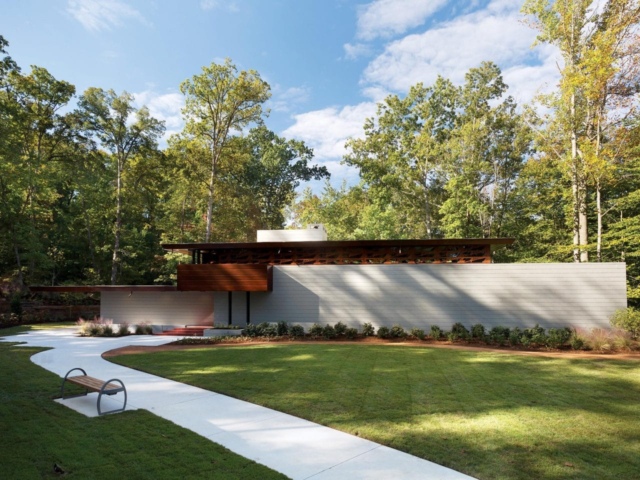
This house is an example of Frank Lloyd Wright’s classic Usonian architecture.
Wright maintained a lifelong interest in prefabricated housing, as demonstrated by his American Systems-Built Houses of 1911-1917.
The only Wright structure in New Mexico, this home stands adjacent to the Santa Fe National Forest and marks the first built version of Wright’s hexagonal “teepee” idea, which looks back to a 1920s design for a resort in Lake Tahoe.
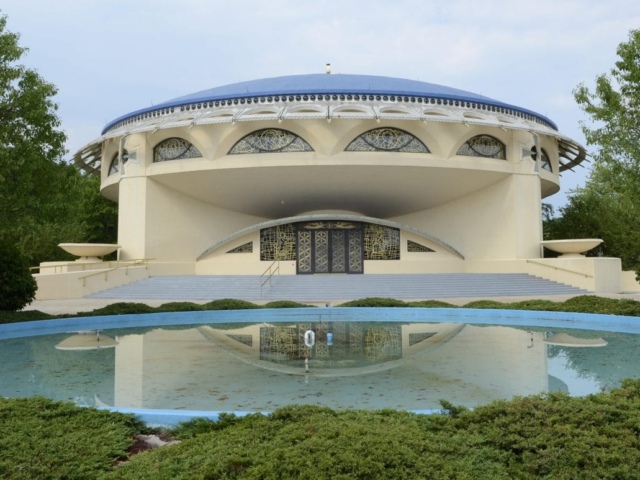
Wright’s design for the structure he affectionately termed “a little St. Sophia” is defined by the symbols of the Greek Orthodox faith (it is essentially a Greek cross inscribed in a circle), but it is a marked departure from traditional Byzantine church architecture.