Tours for this weekend are selling fast. Don’t miss out, book yours now.
News and updates from the Frank Lloyd Wright Foundation
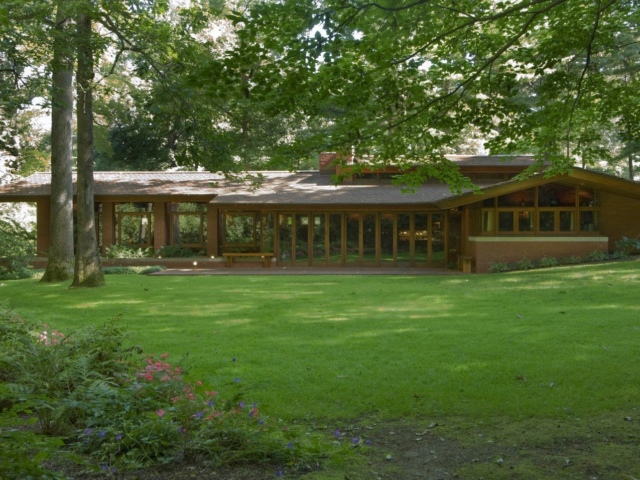
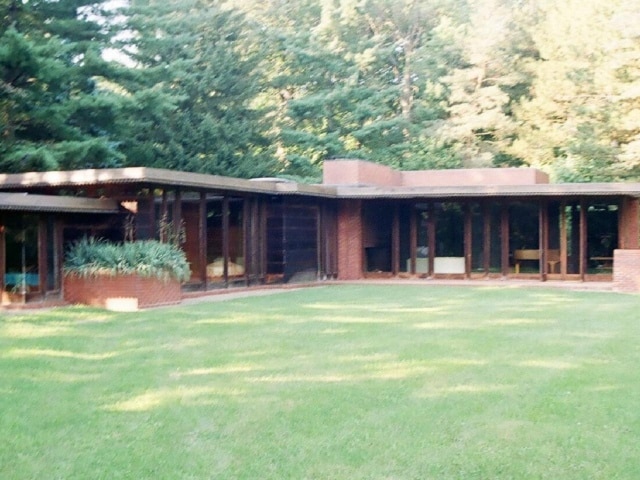
Dissatisfied with the “ultra-conservative” residential architecture of New England, the Zimmermans looked to Wright for their dream of “a house that would be an integrated expression of our personal way of life rather than a coldly efficient building.” Wright answered their wish with “a classic Usonian” for which he designed the house, the gardens, and all the interior details down to the dinnerware.
Frank Lloyd Wright Foundation | Feb 4, 2017
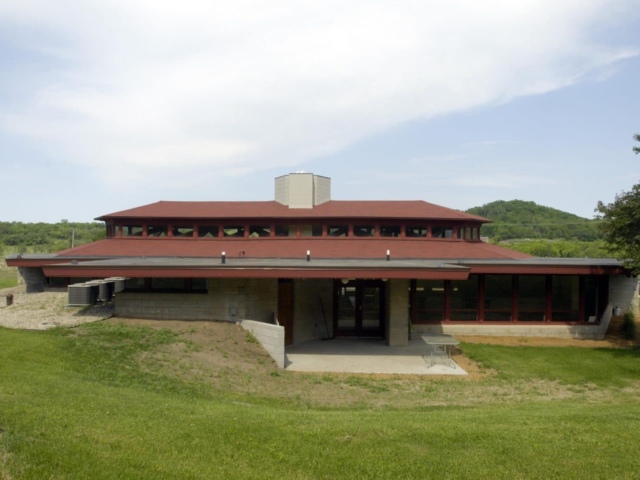
1n 1956 Wright donated two acres of land and a design for a small elementary school to the Wyoming Valley School District near Spring Green, WI.
Also known simply as the Frank Lloyd Wright House, the Weltzheimer-Johnson House is the first of nine Usonian homes to be built in Ohio, and the only non-Californian Usonian to use redwood.
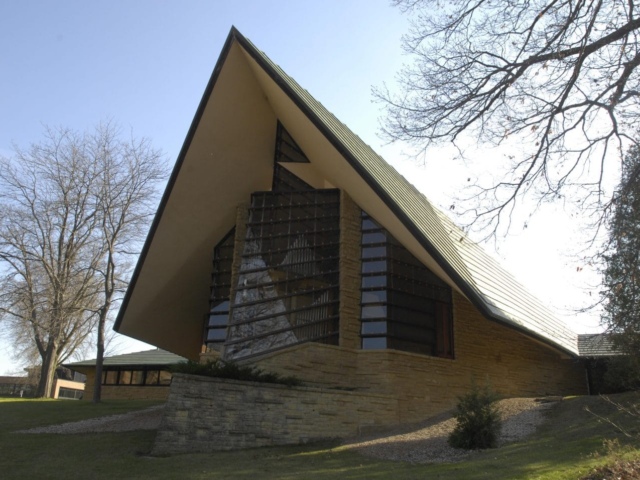
The Unitarian Meeting House is recognized as one of the world’s most innovative examples of church architecture and as one of Wright’s most influential buildings.
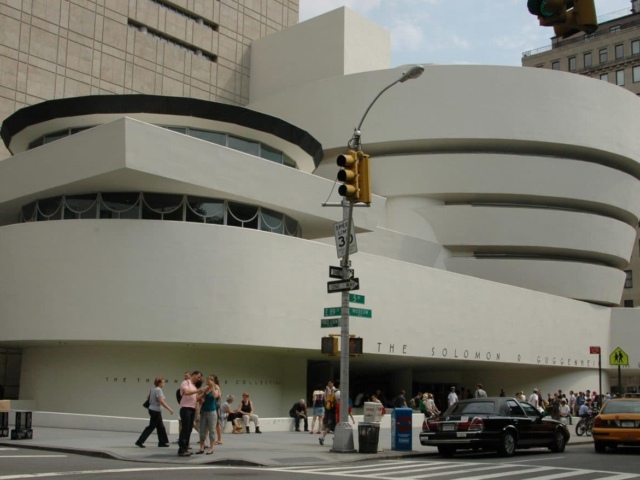
Museum director Hilla von Rebay sought a “temple for the spirit” in which to house Solomon R. Guggenheim’s growing collection of modern art.
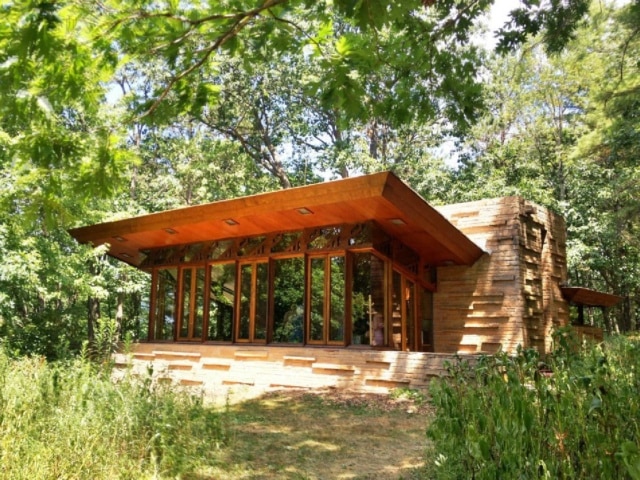
At just 880-square feet, Wright’s smallest residential design manages to boil down Wright’s design philosophy to its essence.
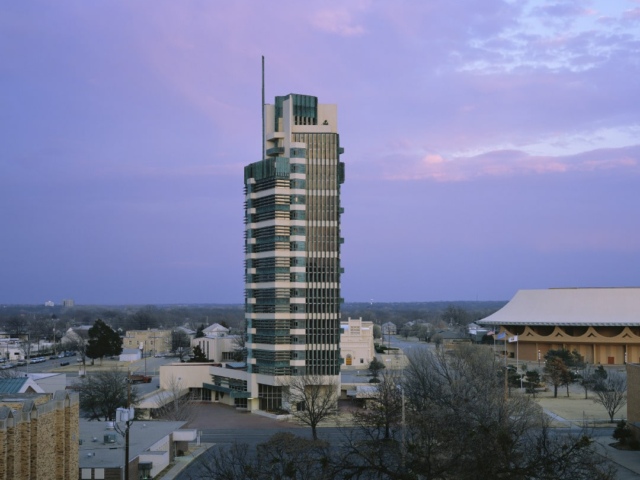
Wright’s only skyscraper, the Price Tower is also one of only two Wright structures to have a vertical orientation (the other being the Johnson Wax Research Tower).
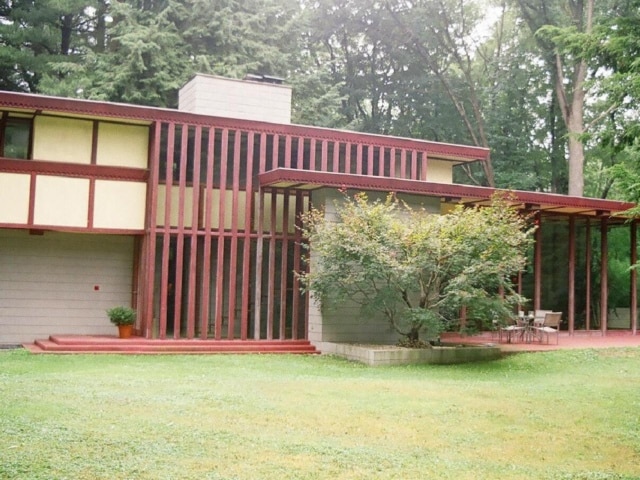
Wright modified the typical proportions of this three-bedroom Usonian homes for Louis Penfield’s house to accommodate the artist and schoolteacher’s six-foot, eight-inch frame.
Located near an arboretum on the hillside of a two-acre property, the bold triangular geometry and signature cantilever of this home makes it Ann Arbor’s most architecturally significant residence.