Tours for this weekend are selling fast. Don’t miss out, book yours now.
News and updates from the Frank Lloyd Wright Foundation
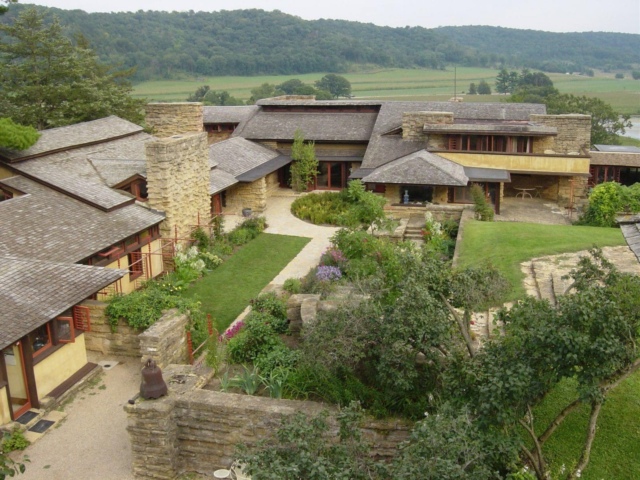
When newspaper headlines about Wright’s affair with Mamah Borthwick Cheney drove him from Chicago in 1911, he returned to the comfort of a place he had spent much of his childhood.
Frank Lloyd Wright Foundation | Feb 4, 2017
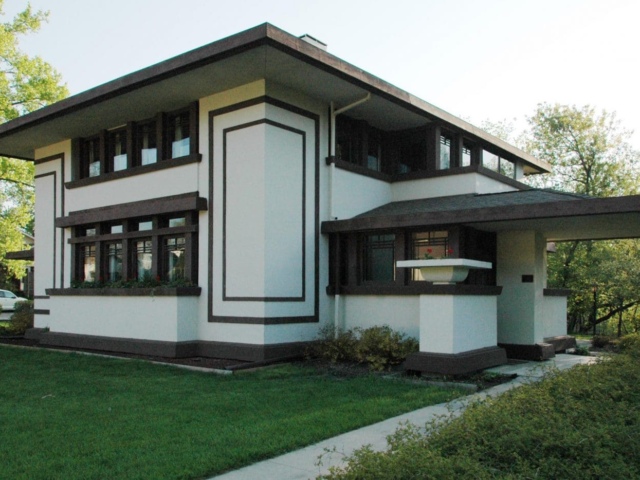
The Stockman House is a variation on a 1907 design published in the Ladies’ Home Journal as “a Fireproof House for $5,000.” The subtle geometry of Wright’s composition is emphasized by its sheltering eaves, window framing, and what he called “back-band trim,” dark wood used to wrap the corners of the main structure.
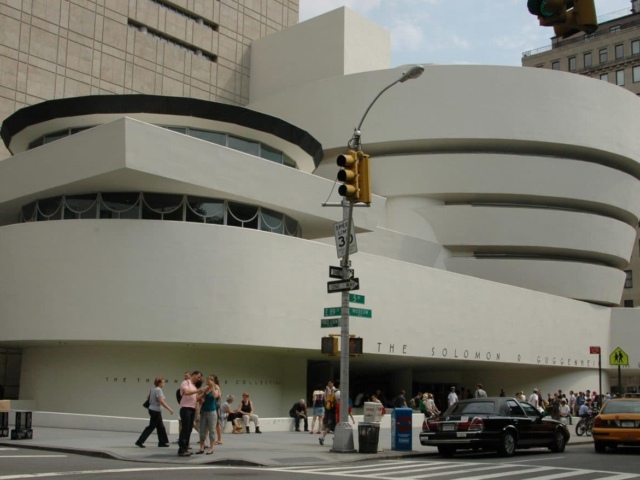
Museum director Hilla von Rebay sought a “temple for the spirit” in which to house Solomon R. Guggenheim’s growing collection of modern art.
At just 880-square feet, Wright’s smallest residential design manages to boil down Wright’s design philosophy to its essence.
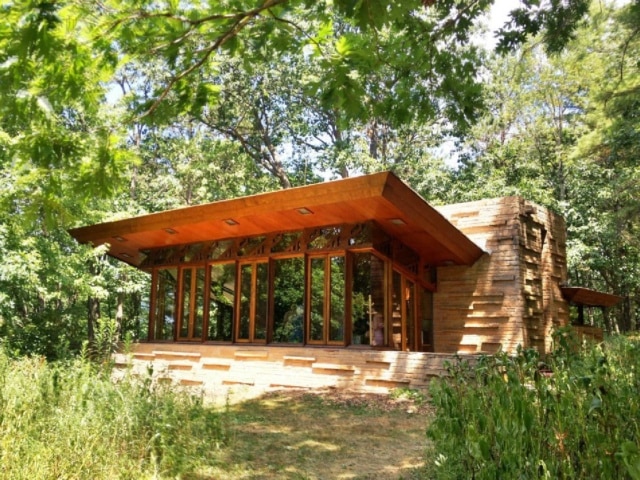
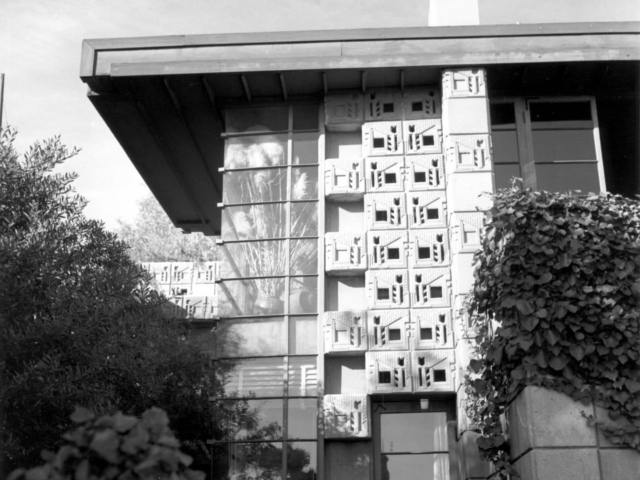
Samuel and Harriet Freeman fell in love with Wright’s architecture as guests at the Hollyhock House.
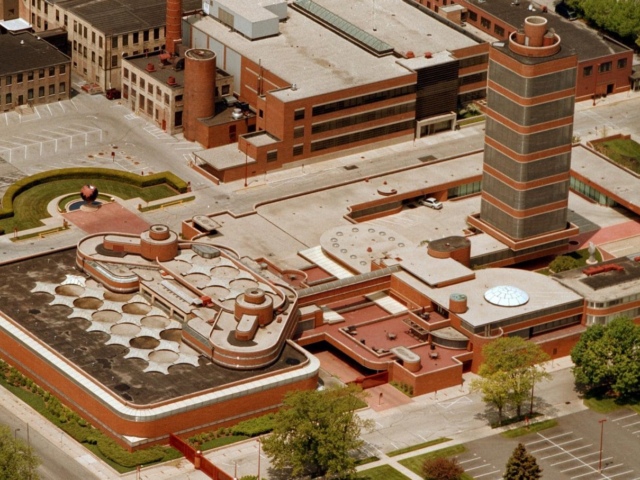
When the Johnson Wax Administration Building was completed Life magazine called it the greatest innovation since the skyscraper: “a truer glimpse of the shape of things to come.” Like Wright’s Larkin Administration building of 1903, Wright desired to build an exhilarating work environment, even suggesting that it be moved out of the bleak industrial zone of Racine for which it was planned.
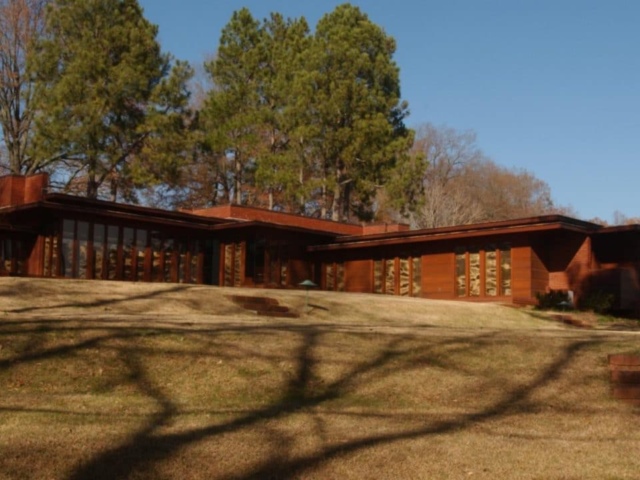
The Rosenbaum House was the first of dozens of Usonian houses that Wright would base on the Jacobs House prototype of 1936.
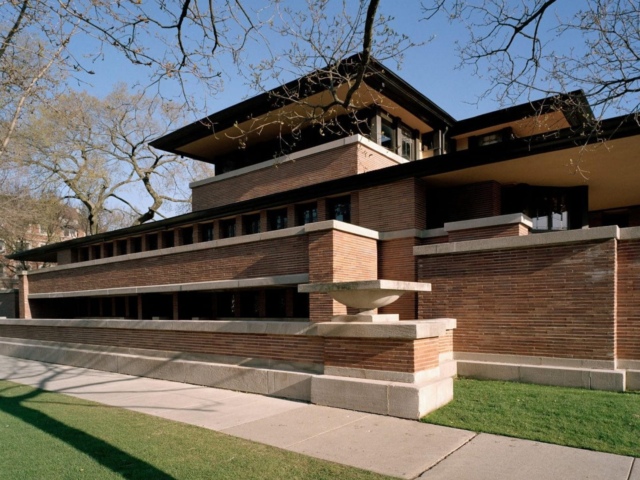
Designed as two large rectangles that seem to slide past one another, the long, horizontal residence that Wright created for 28-year-old Frederick Robie, boldly established a new form of domestic design: the Prairie style.
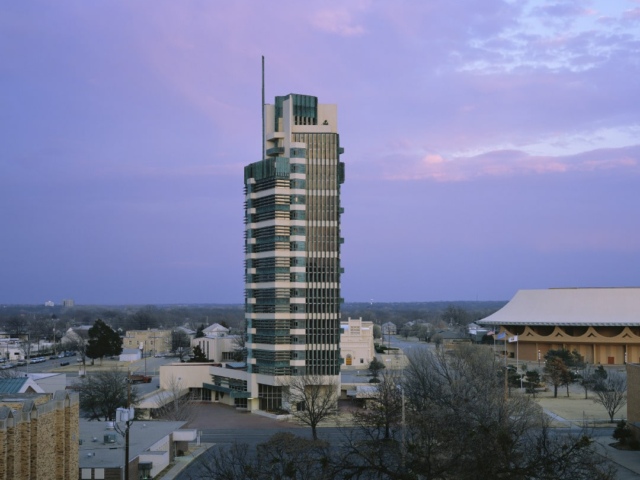
Wright’s only skyscraper, the Price Tower is also one of only two Wright structures to have a vertical orientation (the other being the Johnson Wax Research Tower).