Taliesin West is currently closed to the public.
News and updates from the Frank Lloyd Wright Foundation
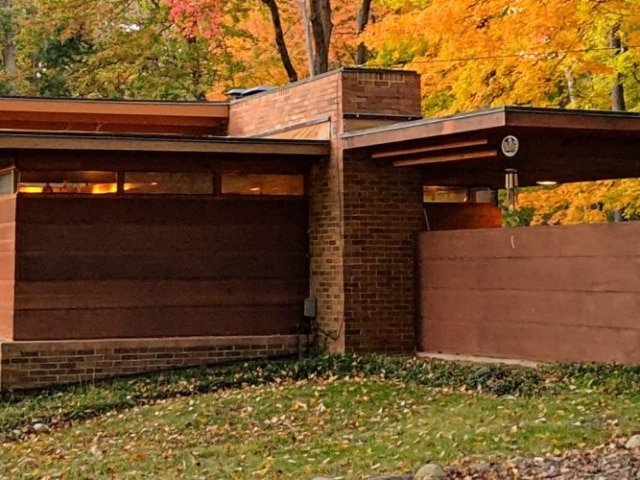
Built in 1940 and listed on the National Register of Historic Places in 1995, Frank Lloyd Wright’s Goetsch–Winckler House is widely considered to be one of the most elegant examples of Wright’s Usonian ideal.
Ross Hubbard | Oct 28, 2024
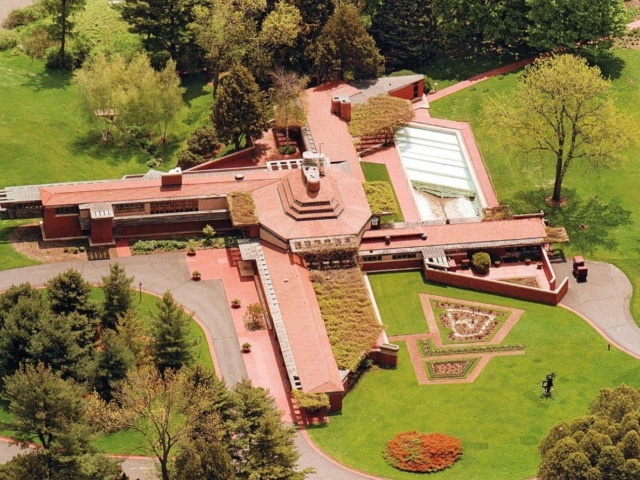
Wingspread, by Wright’s own statement, is the last of the Prairie houses.
Frank Lloyd Wright Foundation | Feb 4, 2017
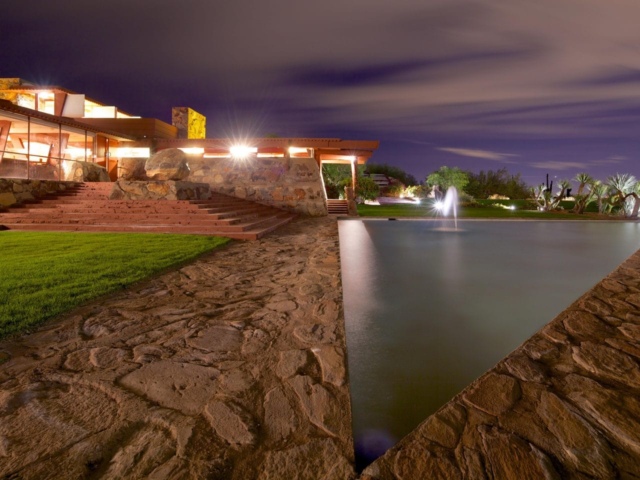
What began in 1937 as an experiment in camping in the Arizonan desert gradually became a lasting testament to Wright’s creative spirit.
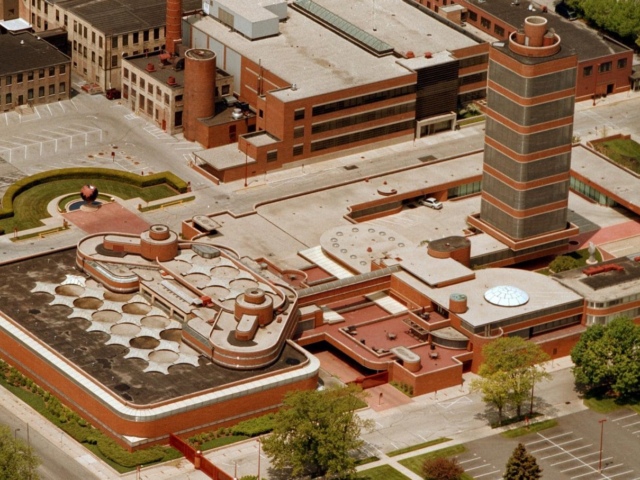
When the Johnson Wax Administration Building was completed Life magazine called it the greatest innovation since the skyscraper: “a truer glimpse of the shape of things to come.” Like Wright’s Larkin Administration building of 1903, Wright desired to build an exhilarating work environment, even suggesting that it be moved out of the bleak industrial zone of Racine for which it was planned.
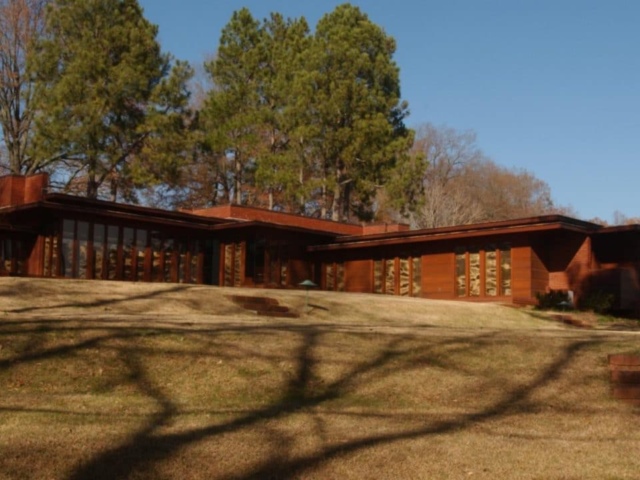
The Rosenbaum House was the first of dozens of Usonian houses that Wright would base on the Jacobs House prototype of 1936.
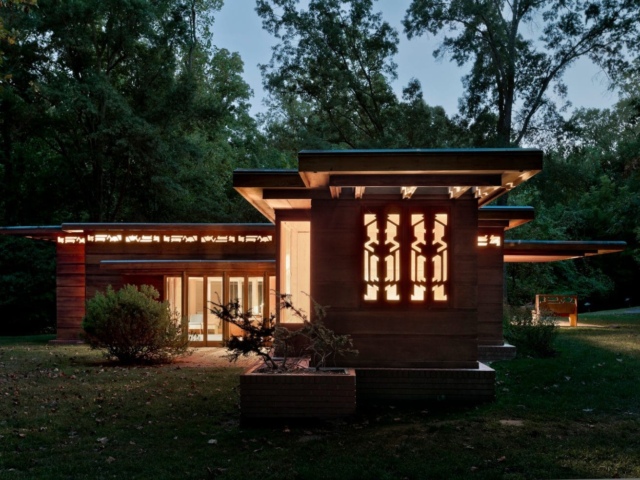
As the only public Frank Lloyd Wright work in the National Capital Region and owned by the National Trust for Historic Preservation, the Usonian-style Pope-Leighey House is nestled within a small wooded grove on the same site as the Trust’s historic Woodlawn mansion in Alexandria, VA.
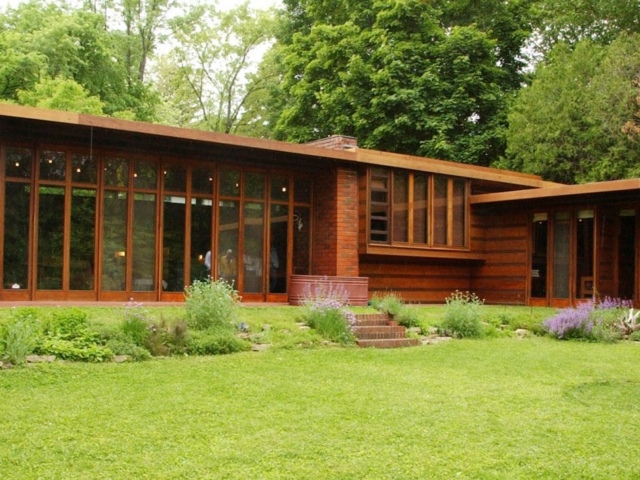
Challenged by Herbert Jacobs to create a decent home for $5,000, Wright’s design for “Jacobs I” (as it came to be known) is widely considered to be Wright’s first Usonian structure.
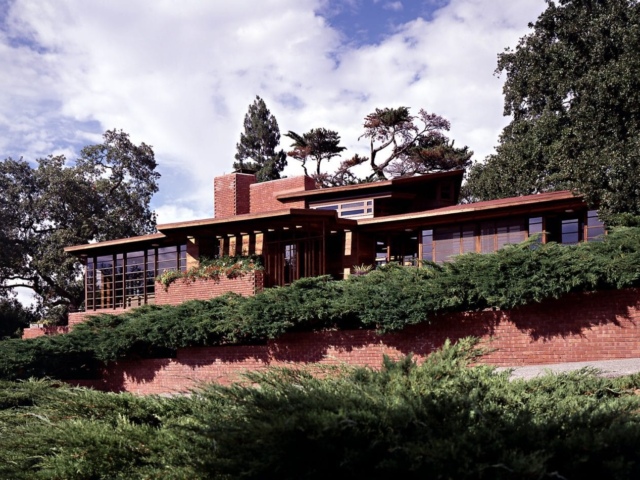
Begun in 1937 when the Hannas were a young married couple, Wright expanded and adapted the house over the next 25 years.
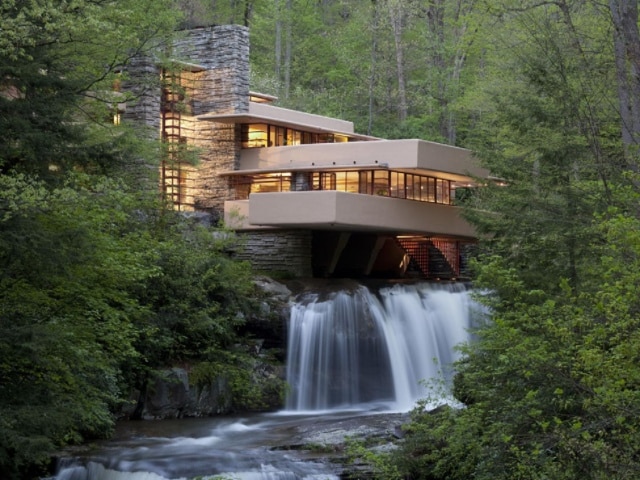
Fallingwater is Wright’s crowning achievement in organic architecture and the American Institute of Architects’ “best all-time work of American architecture.” Its owners, Edgar and Liliane Kaufmann, were a prominent Pittsburgh couple, reputed for their distinctive sense of style and taste.